Testing the “Raccoon Trying Its Best” Embroidery Design
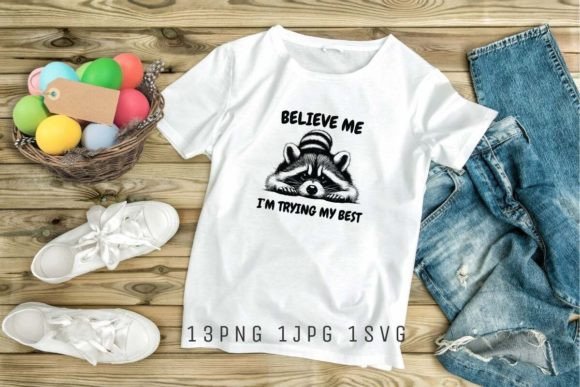
Every time a new embroidery file lands in my library, I take a step back from the technical specs and ask the most important question: what kind of project would this actually live on? That’s the lens I’m using today for the “Raccoon Trying Its Best Tee” design. It’s marketed as a graphics file for t-shirt designs, but as someone who stitches professionally, I know a good design can travel far beyond its primary category. Let’s look at this as if we’re preparing it for a real project, say, a custom embroidered sweatshirt for a boutique client.
First Impression: A Relatable, Endearing Mood
The “Raccoon Trying Its Best” design immediately strikes a chord. It’s not just cute; it’s empathetic. That expression—the slightly earnest, determined look—creates a mood of quiet perseverance and charm. It’s playful without being childish, which gives it a broad appeal across age groups. The layout is central and focused, which is ideal for straightforward embroidery placement. The detail level appears well-balanced: enough character definition to be recognizable, but hopefully not overly dense with tiny elements that could become muddy in stitching. This visual personality feels perfect for personalized gifts, hobbyist projects, and small shop merchandise where you want to evoke a genuine, friendly reaction.
Where This Design Belongs: A Natural Fit for Soft Goods
Beyond the obvious t-shirt application, this raccoon design naturally belongs on a range of soft, everyday items. Its theme is warm and approachable, making it a great candidate for:
- Custom apparel like sweatshirts, hoodies, and relaxed-fit tees.
- Home goods such as pillow covers, tea towels, and simple nursery decor blankets.
- Personalized gifts like tote bags for a friend or embroidered patches for a baby’s jacket.
- Small business merchandise for a craft fair booth or Etsy listings focusing on cozy, handmade presentation.
I can easily picture this stitched onto the corner of an apron or the front of a cap for a whimsical touch. The design’s compact, central nature means it won’t overwhelm smaller items like a kitchen towel, yet it still carries enough visual weight to stand out on a larger sweatshirt. For craft business owners, this kind of design boosts product value by adding a unique, story-driven element that customers connect with emotionally.
Practical Embroidery Considerations: Thread, Fabric, and Clarity
When I mentally run this machine embroidery design through a real-life scenario—embroidering it on a mid-weight cotton sweatshirt—a few practical notes come to mind. First, thread color contrast will be key. On light fabrics, the raccoon’s darker details will pop beautifully, but on a dark fabric background, you’ll need to plan a bolder, lighter color palette to maintain the same clarity and stitching definition. The design’s charm hinges on that expressive face; losing that detail in low contrast would diminish its impact.
Stitch density is always a concern. Since the product description doesn’t provide exact counts, my general advice is to always test the design on scrap fabric first, using the same stabilizer and fabric type as your final project. This is crucial for textured fabrics like fleece or thin, stretchy fabrics where dense fill stitches could cause puckering. Check the small details, especially around the eyes and any potential tiny lettering if the phrase is included, to ensure they stitch out cleanly at your intended hoop size. For curved surfaces like caps, the design’s central focus should work well, but confirm the total area fits comfortably within the curved hoop.
Where to Use With Extra Care
While versatile, some applications require a more careful approach. On layered garments with seams or on very stretchy fabric, proper stabilizer choice is non-negotiable to preserve the design’s shape. If you’re considering it for products that need frequent washing, like baby clothes or kitchen towels, opting for a slightly simplified version (if available) or ensuring the stitch work is secure and not overly delicate will aid longevity. Also, for commercial embroidery projects where time is a factor, review the file to see if it has any overly dense decorative accent areas that might increase stitching time without adding significant visual benefit.
How This Design Affects Your Project’s Appeal
From a business and customer perspective, “Raccoon Trying Its Best” affects several layers of appeal. For customer trust and engagement, a design with this relatable personality often performs better than generic graphics. It feels thoughtful, which enhances the handmade presentation and can increase giftability. For brand consistency, if your small shop or Etsy store has a vibe of kindness and warmth, this design aligns perfectly, adding to your professional curation. It’s also highly recognizable—a memorable, stand-alone graphic that doesn’t need explanation, which is perfect for quick buyer decisions at craft fairs or in online printable mockups.
As an embroidery designer, I appreciate that this seems like a design asset that can straddle both personal and commercial projects. However, a critical final note: the product description lists broad uses like website design and scrapbooking, but for embroidery, you must confirm the specific embroidery file formats and licensing terms provided with the download. Never assume a graphics file is automatically suitable for machine embroidery without checking the included formats and any usage restrictions. Confirm the licensing before selling finished items or incorporating it into commercial embroidery services.
The Final Take: A Design Ready for Real Stitches
My evaluation of the “Raccoon Trying Its Best Tee” design is positive for real project use. It carries a mood that translates well into stitched form, and its layout suggests it will be straightforward to hoop and stitch on a variety of soft goods. To maximize its potential, treat it like any professional embroidery file: test it on your target fabric, plan your thread colors for contrast, and respect the fabric’s limitations. When done with care, this design can turn a simple sweatshirt, tote bag, or baby item into a product that genuinely connects with people—because, let’s face it, we all see a little of ourselves in that raccoon trying its best.