A Trucker Design Review for Real Embroidery Projects
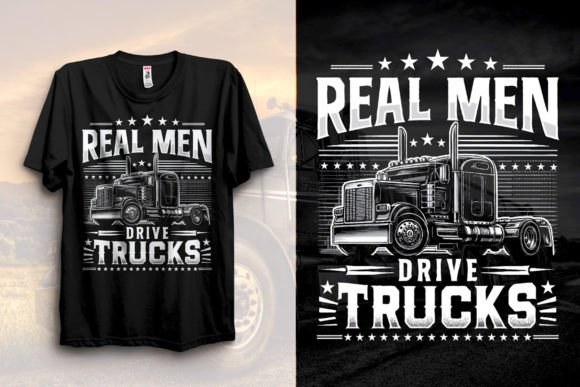
Let’s talk about the Real Men Drive Trucks Trucker T-Shirt design. When I open a new embroidery file, my first question is always: will this look good stitched out on a real product? This truck-themed graphic has a bold, classic feel. It’s not overly complex, which is often a good sign for machine embroidery. The layout suggests a central, statement piece—perfect for a chest logo on a sweatshirt or a focal point on a tote bag.
The Personality Stitched Into the Fabric
The mood here is straightforward and confident. It’s a design that speaks to a specific audience with a bit of humor and pride. For an embroidery designer, that means it’s not a generic graphic; it has a personality. This personality will translate well into stitch form, especially if you’re targeting gifts for truck enthusiasts, custom apparel for a small automotive shop, or even a fun, personalized patch for a denim jacket. The visual weight is balanced, so it shouldn’t feel lopsided or awkward when hooped.
Where This Design Finds Its Home
In practical terms, I envision this on a few key products. A sturdy cotton tote bag would be a perfect canvas, letting the satin stitch borders and fill stitch details stand out nicely. For a craft business or Etsy seller, embroidered caps with this design could be a strong seller—provided the details are adapted for the curved surface. Think about a simple, well-made pillow cover for a man’s cabin or office; it becomes a great handmade gift. The design’s boldness also makes it suitable for a custom apron or a heavyweight tea towel, items that carry a rustic, functional vibe.
Navigating the Practical Stitching Landscape
Now, for the real-life embroidery situations. Because this is described as containing editable vector outlines, the core shapes should be clean, which is excellent for converting to a clean embroidery file. However, the practical embroidery performance depends entirely on how that file is built.
On a dark fabric, like a black sweatshirt, you’d need to ensure the thread color palette has strong contrast—bright whites, silvers, or bold blues would pop. On baby clothes or lighter fabrics, it would work well, but remember that dense stitch areas on thin or stretchy fabric can be problematic. Always use the proper stabilizer.
For a project like a holiday gift—say, an embroidered blanket for a dad—the scale matters. You wouldn’t want to stitch this too small. The lettering, depending on the final embroidery file’s construction, could lose clarity if hooped under a 4-inch size. It’s a design that benefits from a medium to large hoop, allowing the truck illustration and text to maintain their integrity.
Careful Application: Where to Proceed with Caution
There are a few scenarios where I’d advise extra testing. Textured fabrics, like some sweater knits, might obscure the cleaner lines of the truck graphic. Similarly, on curved surfaces like caps, small details or tight corners in the design could pucker or distort if the stitch density isn’t adjusted. And for products that need frequent washing—think kitchen towels or work shirts—you want a robust stitch construction that won’t fray. This is why testing on scrap fabric first is non-negotiable.
The Impact on Your Finished Product and Customer
From a business perspective, how does this design affect your finished product? A well-embroidered version of Real Men Drive Trucks Trucker T-Shirt on a high-quality garment increases perceived value. It feels intentional and professional, which builds customer trust. For a handmade presentation, it offers a clear, recognizable theme that makes for an excellent personalized gift.
For brand consistency, if you’re a small shop focusing on automotive or rustic themes, this design can be a solid part of your lineup. It’s giftable and has immediate recognition for its niche. Buyer engagement comes from that clear connection—someone looking for a “truck lover” item will see it and understand it immediately.
Essential Designer Notes Before You Hoop
My routine before using any new design like this involves a few key steps. I always:
- Test the design on a scrap of the actual project fabric first.
- Check thread color contrast against both light and dark backgrounds.
- Review the stitch density in my embroidery software to see if it’s suitable for my intended fabric.
- Confirm the necessary hoop size to capture all details cleanly.
- Inspect small details, like any tiny lettering or intricate lines in the truck illustration, to ensure they’ll stitch clearly.
- Test the design in simple black and white mockups to gauge its visual weight.
- Use proper stabilizer for the specific application—this is crucial.
- Most importantly, check the licensing terms of the original graphics asset to confirm it’s suitable for my commercial embroidery projects or handmade products I plan to sell.
Since the product description mentions editable AI and EPS files, it’s a graphics asset meant for adaptation. This is powerful. It means you, as a designer, can adjust colors or scale before creating your embroidery file. But the final embroidery performance—the satin stitches, fill stitches, running stitch details—all depends on your digitizing skill or the quality of the specific embroidery file you create or acquire from it.
Final Thoughts on Stitching This Trucker Graphic
The Real Men Drive Trucks Trucker T-Shirt design, as a concept, is a strong candidate for many custom apparel and gift projects. Its theme is clear, and its composition looks adaptable. In the hands of an experienced embroidery designer, it can become a durable, attractive feature on sweatshirts, bags, caps, and home decor. The key is to treat it as a blueprint and execute the actual embroidery project with practical care: test, adapt for your fabric, and ensure every stitch contributes to a clean, professional finished product that any truck lover would appreciate.