Unleashing Patriotic Branding with a 1776 T-Shirt Graphic
The Designer's First Impression: Bold, Festive, and Americana
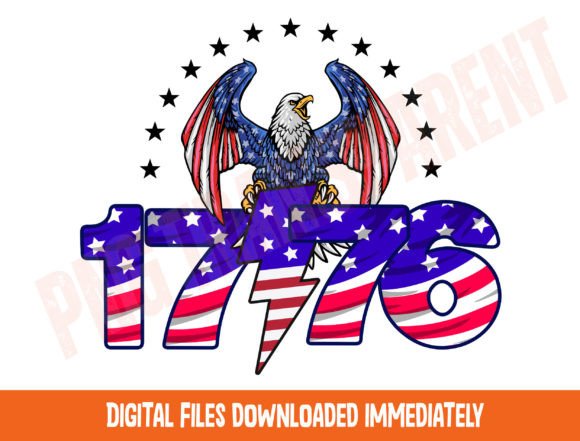
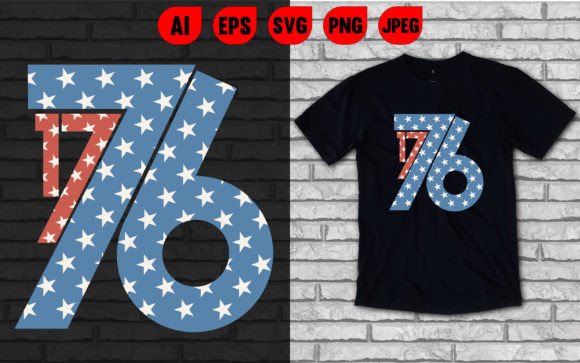
Opening the 1776 Independence Day T Shirt graphic design asset, the immediate mood is bold, festive, and steeped in Americana heritage. It suggests a brand personality that is confident, celebratory, and deeply rooted in tradition. This isn't a soft or decorative whisper; it's a declarative statement. For a real small business project, this graphic feels perfectly suited for seasonal campaigns, patriotic product lines, or local businesses that want to tap into a sense of community pride and historical celebration. Imagine a local craft brewery launching a limited “1776” ale, a hometown bakery creating a Fourth of July pie box label, or a boutique running a “Founding Fathers” summer sale. The asset carries a strong, traditional energy that can elevate a brand's connection to national holidays and local history.
Building a Local Brand Identity Around a Patriotic Theme
When I consider this graphic for a real local business branding project, its applications extend far beyond a simple T-shirt. The core design can become the hero graphic for a complete seasonal brand identity. For a coffee shop's July promotion, the “1776” motif could anchor the logo design on limited-edition mug sleeves, be simplified for a stamp on coffee bag labels, and drive the visual hierarchy on window posters. A florist could use a more ornate variation of the numbers on hang tags for patriotic bouquet arrangements, creating a stronger emotional connection with customers celebrating the holiday. The key is to treat this asset not just as clipart, but as a foundational element for a cohesive campaign across packaging design, promotional visuals, and social media graphics.
Practical Applications for Product Packaging and Presentation
Let's apply this to a concrete case: a small, handmade candle brand wants to launch a “Liberty” series for Independence Day. The 1776 Independence Day T Shirt graphic, adapted, becomes the central visual on the product label. Its bold nature ensures better product recognition on a crowded shelf. It can be embossed on the lid for a premium touch, reprinted on the tissue paper wrapping for a more professional packaging experience, and featured on thank-you cards included with orders. For the brand's website banners and social media campaign graphics, the asset provides a consistent brand identity, making the entire product launch feel polished and intentional. This consistency directly improves customer trust, as the presentation feels deliberate and high-quality.
Where This Graphic Design Asset Works Best
The strengths of this asset shine in specific areas of commercial design. It works excellently as a large hero graphic on promotional banners, posters, or as a decorative brand element on seasonal packaging like box fronts or bag designs. For product mockups, it can create a strong first impression. It's ideal for boutique visuals where storytelling is key, such as on in-store signage explaining a product's patriotic inspiration. On printable designs like flyers or menu graphics for a July food festival, it commands attention. As an accent on larger product labels or hang tags, it adds festive character without overwhelming necessary text.
Considerations for Professional Branding and Layout
However, a seasoned brand designer would advise using this asset carefully in certain contexts. Its bold, detailed nature may not suit very small labels, especially if paired with essential legal information or ingredient-heavy layouts. On crowded product packaging, it could compete with important text, disrupting visual hierarchy. For a luxury minimalist brand, this graphic would likely feel out of place. It should be avoided as a primary mark in formal corporate branding. Always test it on low-contrast backgrounds to ensure readability and preview it on small-scale applications to confirm the details remain clear.
A Brand Designer's Checklist Before Client Use
Before integrating the 1776 Independence Day T Shirt into a client's small business branding or physical product sales, follow these practical notes. First, absolutely confirm the commercial license allows for this use. Then, test the asset on real packaging mockups—see how it looks on a candle jar, a coffee bag, or a pie box. Check its functionality in black and white for potential foil stamping or budget print scenarios. Preview it on the actual size of your product label. Test it alongside your brand’s font styles—does it harmonize with a clean sans serif for a modern twist, or clash with a delicate script? Compare it with competitor packaging to ensure your application stands out appropriately. If the file is an SVG design, inspect its vector editability to customize colors for your brand palette. For PNG files, review the transparency quality for seamless overlay on marketing visuals. Finally, always check the anticipated print quality at the size you intend to use.
Supporting a Polished Small Business Campaign
Ultimately, a graphic design asset like this is a tool for building a more professional and emotionally resonant brand presentation. For the local entrepreneur—the bakery owner, the soap maker, the home decor shop—it provides a ready-made visual cornerstone for a seasonal campaign. It can transform basic packaging into thematic, memorable product labels. It gives social media managers a strong graphic for creating cohesive editorial design across posts. It helps marketers build clearer visual hierarchy in ads, directing the viewer's eye to the celebratory message. When used thoughtfully, it moves a business beyond generic marketplace descriptions and into the realm of intentional, storytelling brand identity.
In my review for a real project, the 1776 Independence Day T Shirt graphic offers substantial value for businesses aiming to capitalize on patriotic themes. Its bold, festive character demands attention and can be adapted across a wide range of promotional materials and packaging designs. By following a designer's disciplined approach—testing, licensing, and contextual integration—this asset can become a powerful component in a local business's journey toward stronger shelf appeal, more polished marketing visuals, and a more consistent brand identity that customers remember and trust.